Our Blog

Is Your Sewage Pump Overworking? 6 Warning Signs to Watch Out For

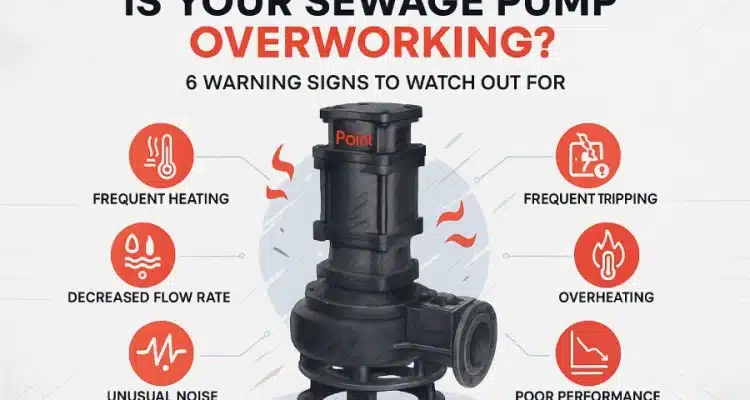
Managing a facility or construction site comes with a lot of moving parts, and the last thing you want is for your sewage system to falter. Your sewage pump is the silent workhorse that keeps everything flowing smoothly, yet it often goes unnoticed until a major issue surfaces. Overworking a sewage pump can lead to costly repairs, downtime, and disruptions that ripple through your operations. In this blog, we explore six warning signs that indicate your sewage pump might be under strain, illustrated with a practical case study, so facility managers and contractors can act before problems escalate.

Understanding the Role of Sewage Process Pumps

Sewage process pumps are designed to handle wastewater efficiently, whether from residential, commercial, or industrial sources. These pumps move liquid waste from one location to another, preventing blockages and maintaining sanitation standards. Submersible sewage process pumps, in particular, are designed to operate underwater, making them highly effective for deep tanks, wet wells, and other challenging environments. Choosing the right equipment from reputable sewage pump manufacturers ensures reliability and longevity in demanding conditions.

A case study from a mid-sized commercial facility highlights the importance of proper pump selection and maintenance. The facility relied on submersible sewage process pumps to manage wastewater from multiple buildings. Over time, staff noticed a gradual decline in pump performance that went unchecked until a partial system failure occurred. By identifying the early warning signs, they were able to address issues proactively and prevent a total breakdown.

Warning Sign 1: Frequent Overheating

One of the most obvious indicators that a sewage pump is overworking is frequent overheating. Pumps are engineered to run within specific temperature ranges. When a pump consistently runs hot, it may indicate an overload, a clogged impeller, or inadequate ventilation. Facility managers should monitor motor temperature during routine inspections.

In the case study, staff observed that the submersible sewage process pumps were getting unusually warm during peak usage times. By consulting with the pump manufacturer, they discovered that solids accumulation in the wet well was forcing the pump to work harder. Regular cleaning of the intake and impeller resolved the issue and restored optimal operating temperature.

Warning Sign 2: Decreased Flow Rate

Another common warning sign is a reduced flow rate. If your sewage process pump is struggling to move the expected volume of wastewater, it may be overworked. Sediment buildup, airlocks, or mechanical wear can restrict flow and place additional stress on the pump.

In the same case study, the facility noticed slower drainage in certain sections of the property. Maintenance teams traced the problem to worn impellers and minor blockages in the suction line. Replacing the worn parts and clearing debris restored normal flow and prevented further strain.

Warning Sign 3: Unusual Vibrations or Noise

Any sudden increase in vibration or noise should be taken seriously. Submersible sewage process pumps are designed to operate quietly and smoothly. Rattling, grinding, or excessive vibration can signal misalignment, loose components, or debris caught in the pump.

Facility managers should incorporate vibration monitoring during routine checks. In the case study, a technician identified an unusual knocking sound in one of the submersible pumps. On inspection, a foreign object had lodged in the impeller housing. Removing the object immediately prevented more serious damage to the motor.

Warning Sign 4: Frequent Tripping of Circuit Breakers

Circuit breakers trip to protect electrical systems, and frequent tripping may indicate that a pump is overexerting. Overworking the motor can draw excessive current, which leads to breaker trips.

The commercial facility in our case study experienced repeated electrical interruptions in one of the pump circuits. After consultation with sewage pump manufacturers, the team found that the pump had partially clogged impellers combined with an aging motor. Upgrading the pump to a more robust submersible sewage process pump solved the problem and ensured consistent performance.

Warning Sign 5: Increased Maintenance Requirements

When a sewage pump requires constant maintenance or repair, it is often a sign of overwork. Routine tasks such as lubrication, seal replacement, and impeller cleaning should not become daily chores.

In the case study, facility staff initially overlooked minor maintenance issues, assuming normal wear and tear. However, once patterns were reviewed, it became clear that the repeated failures were due to overworking the pumps. Implementing a preventative maintenance schedule significantly reduced downtime and extended pump life.

Warning Sign 6: Poor Performance During Peak Usage

Finally, if your sewage pump struggles during peak usage hours, it may not be sized appropriately or could be overworked due to unforeseen demand.

The commercial facility experienced bottlenecks during morning and evening rush periods. By tracking pump performance data, the team realized that one submersible sewage process pump was undersized for the peak load. Upgrading to a higher capacity model from reputable sewage pump manufacturers resolved the bottleneck and improved system efficiency.

Case Study Summary and Lessons Learned

The case study demonstrates that overworked pumps often show multiple warning signs before a critical failure occurs. Key takeaways include:

  • Monitor temperature, flow rate, and unusual noises regularly
  • Schedule preventative maintenance and inspections
  • Work closely with trusted sewage pump manufacturers for guidance and parts
  • Ensure pumps are appropriately sized for peak load conditions

By recognizing early indicators, facility managers and contractors can take proactive steps to prevent costly repairs, downtime, and sanitation issues.

Final Takeaway

A well-maintained sewage pump is more than a piece of machinery; it is the backbone of any facility’s sanitation system. Submersible sewage process pumps are designed for efficiency, but even the best equipment will falter if overworked. Keep an eye out for warning signs, act promptly, and maintain strong partnerships with reliable sewage pump manufacturers. By doing so, you safeguard your operations, reduce unexpected disruptions, and ensure a smooth, reliable sewage process for years to come.

Post Comment